
The Ethics of Killing
I Am LegendThis flow follows Robert Neville’s changing justification for destroying infected bodies and living hosts.
increasing Bearing strength in each event
 decreasing
Bearing strength in each eventdecreasingNecessity Argument
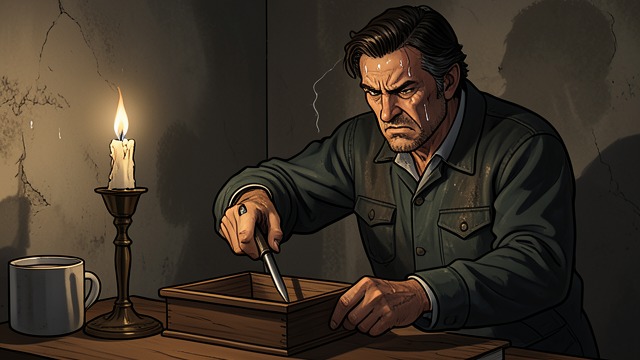
Killing to Survive
Immediate Threat
Robert Neville treats every infected person as someone who would kill him if given the chance.
Moral Defense
He tells himself that there is no alternative to staking or burning them.
Emotional Residue
His bodily reactions and hesitation show that the argument never fully suppresses conscience.
Experimental Cruelty
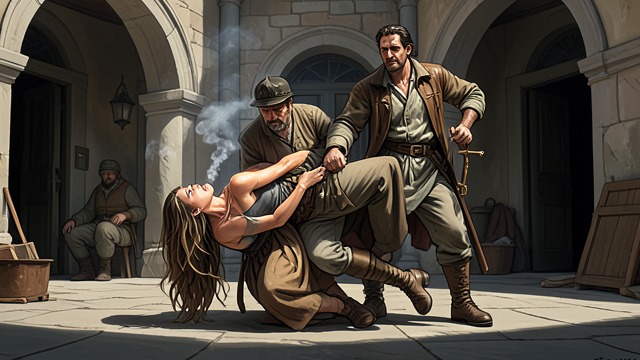
Subjects Instead of People
Testing
Robert Neville drags infected women into sunlight, exposes them to garlic, and displays a cross.
Rationalization
He frames these acts as experiments necessary to discover a cure or defense.
Moral Deterioration
Scientific purpose increasingly masks the fact that he has begun treating bodies as instruments.
Judgment Reversed
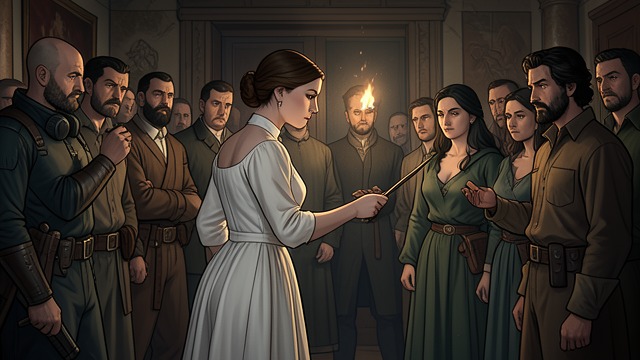
The Victim on Trial
New Society’s Logic
Ruth explains that her people kill the old vampires and Robert Neville to secure their survival.
Mirror Argument
Their justification resembles his own: dangerous infected bodies cannot coexist with the living.
Recognition
He hears his method returned as a moral indictment.
January 1976
1976年3月
January 1979
